How Often Should I Sealcoat My Driveway in Massachusetts
Protecting your driveway investment in Massachusetts requires more than just hoping for the best. With the Bay State’s harsh freeze-thaw cycles, heavy snowfall, and intense summer heat, your asphalt driveway faces relentless challenges year-round. Driveway sealcoating is one of the most searched terms among Massachusetts homeowners for good reason—regular sealcoating is your driveway’s best defense against costly damage.
The question isn’t whether you should sealcoat your driveway, but rather how often. Most experts recommend sealcoating every 2-3 years, but Massachusetts’ unique climate conditions may require adjustments to this timeline. Understanding the optimal frequency for your specific situation can save you thousands in premature replacement costs while keeping your driveway looking pristine.
Why Sealcoating Is Critical in Massachusetts
Massachusetts Climate Challenges
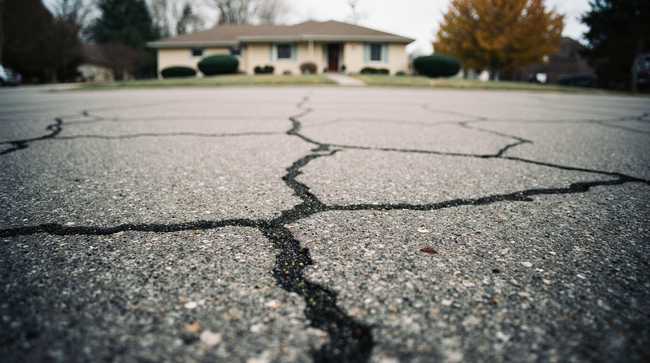
Massachusetts presents unique challenges for asphalt driveways that many other regions don’t face. The state’s frequent freeze-thaw cycles cause water to expand within asphalt cracks, creating larger fissures and structural damage over time. During winter, water wants about 10% more space when it freezes, causing frozen water within asphalt layers to push apart the pavement structure.
Asphalt is actually better suited to Massachusetts’ freeze-thaw cycles than concrete because it has flexibility to expand and contract with temperature changes. However, this doesn’t mean it’s immune to damage—it simply means proper maintenance becomes even more crucial.
Protection Against Multiple Threats
Sealcoating creates a protective barrier against several damaging elements common in Massachusetts:
UV Ray Protection: Massachusetts summers can reach nearly 100°F, and UV rays cause asphalt oxidation, making the surface brittle and prone to cracking.
Water Infiltration Prevention: Sealcoating prevents water from infiltrating cracks, which is especially crucial during winter months when water can freeze and expand within these openings.
Chemical Resistance: Road salt, gasoline, oil, and other automotive fluids can chemically break down asphalt. Sealcoating creates a barrier that prevents gasoline from binding with the asphalt surface.
Recommended Sealcoating Frequency for Massachusetts
General Guidelines
The standard recommendation is to sealcoat driveways every 2-3 years, but Massachusetts homeowners should consider their specific circumstances. High-traffic driveways may need sealcoating every 1-2 years, while rarely-used residential driveways might extend to 3-4 years between applications.
Warning Signs It’s Time to Reseal
Don’t just follow a calendar—watch for these indicators:
Faded Color: When your asphalt appears gray instead of rich black
Visible Individual Stones: If you can see the color of individual stones that make up your asphalt surface, it’s time to seal
Water Absorption: Water should bead on properly sealed asphalt, not soak in immediately
Small Surface Cracks: Hairline cracks indicate the protective barrier is failing
Rough Texture: The surface feels coarse or pebbles are coming loose
New Driveway Considerations
For newly installed driveways, wait at least 90 days to one year before applying the first sealcoat. Sealcoating too early may trap oils within the asphalt, resulting in a surface that remains too soft or flexible.
Key Factors Affecting Your Sealcoating Schedule
Traffic Volume and Usage Patterns
The amount and type of traffic significantly impacts how often you’ll need to reseal:
Light residential use: Every 3-4 years may be sufficient
Heavy family use with multiple vehicles: Every 2-3 years
Commercial or high-traffic areas: Annual or bi-annual applications
Environmental Factors
Tree Coverage: Driveways under heavy tree cover face additional challenges from:
Falling leaves that retain moisture
Sap and organic debris
Reduced UV exposure that affects curing
Sun Exposure: UV rays degrade sealcoating over time, causing it to become brittle and crack. South-facing driveways typically need more frequent attention.
Drainage: Standing water can seep into asphalt, breaking down both the sealcoat and underlying asphalt. Poor drainage accelerates deterioration.
Existing Damage
Address repairs before sealcoating:
Fill cracks larger than ¼ inch
Repair potholes and significant surface damage
Clean oil stains and apply primer if necessary
Benefits of Regular Sealcoating in Massachusetts
Extended Pavement Life
Regular sealcoating can double the lifespan of an asphalt driveway by providing crucial protection against Massachusetts’ harsh climate. Government and Asphalt Institute studies show that neglected asphalt pavement can cost up to five times as much to repair as properly maintained asphalt.
Financial Benefits
Cost Comparison:
Professional sealcoating costs approximately $0.15-$0.25 per square foot
A standard driveway costs $100-$250 to sealcoat
Complete driveway replacement can cost $3,000-$10,000 or more
Enhanced Curb Appeal
Fresh sealcoating provides:
Rich, deep black appearance
Smooth, uniform surface
Professional, well-maintained look that increases property value
Weather Protection
Sealcoating shields against:
Rain and moisture penetration
Freeze-thaw damage
UV oxidation
Chemical spills and stains
DIY vs Professional Sealcoating: Making the Right Choice
DIY Sealcoating
Pros:
Lower upfront cost (materials only)
Complete control over timing
Satisfaction of completing the project yourself
Cons:
Requires proper equipment and expertise
Risk of improper application
No warranty on workmanship
Time-intensive preparation and application
Professional Sealcoating
Pros:
Expert preparation and application
Professional-grade materials and equipment
Warranty protection
Time savings
Proper crack filling and repair
Cons:
Higher initial cost
Scheduling coordination required
Less control over exact timing
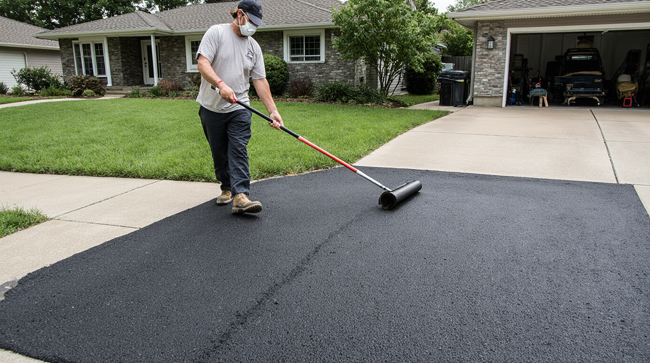
Professional contractors such as Pavel Pavement have specialized equipment such as crack cleaners and power blowers that enable them to perform superior preparation work, which is crucial for long-lasting results.
Best Time of Year to Sealcoat in Massachusetts
Optimal Seasons
Spring through early fall (May through September) provides the ideal window for sealcoating in Massachusetts. Spring offers moderate temperatures that create ideal conditions for sealcoating, while summer temperatures are acceptable but may require longer curing times.
Temperature Requirements
Temperatures must consistently stay above 50°F for at least 48 hours after application, with optimal conditions between 75-90°F. Applications should not occur when temperatures exceed 90°F, as extreme heat can cause premature drying.
Weather Considerations
Ideal Conditions:
Warm temperatures (70°F and rising), sunny conditions, and low humidity
At least 24-48 hours of dry weather forecasted
No wind or light breeze
Low humidity levels
Avoid Sealcoating When:
Rain is forecasted within 48 hours
High humidity or fog conditions
Temperatures below 50°F or above 90°F
Strong winds that can affect application
Seasonal Advantages
Spring Benefits:
Perfect weather conditions for faster, stronger curing and more beautiful results
Ability to address winter damage immediately
Preparation for summer traffic
Summer Benefits:
Consistently warm temperatures
Low precipitation
Extended daylight hours for application
Fall Considerations:
Temperature-wise ideal, but falling leaves can contaminate freshly sealed surfaces
Earlier scheduling needed before temperatures drop
How to Seal a Concrete Driveway
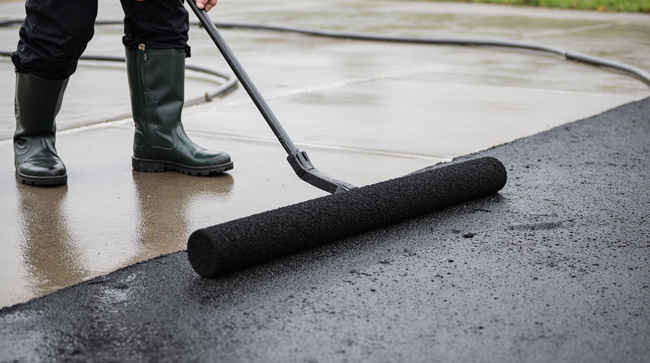
While asphalt driveways are more common in Massachusetts, some homeowners have concrete surfaces that also benefit from sealing.
Concrete Sealing Process
Preparation:
Thoroughly clean the surface
Remove oil stains and debris
Repair any cracks or damage
Allow complete drying
Application:
Apply concrete sealer when temperatures are appropriate and no rain is forecasted
Use appropriate sealer type (acrylic, silane, or siloxane)
Follow manufacturer’s application guidelines
Benefits for Concrete
Concrete sealing creates a waterproof barrier, improves stain resistance, and makes cleaning easier. However, concrete is naturally durable and sealing isn’t strictly necessary, unlike asphalt sealcoating which is essential maintenance.
$0.15-$0.25 per square foot for professional application
Typical residential driveway: $150-$400
Additional costs for crack filling: $1-$3 per linear foot
DIY Materials:
Driveway sealer: $25-$50 per 5-gallon bucket
Application tools: $50-$100
Cleaning supplies: $25-$50
Long-term Financial Benefits
Cost Avoidance:
Prevents $3,000-$10,000 replacement costs
Reduces annual repair expenses
Maintains property value
Regular maintenance costs significantly less than major repairs
Regular sealcoating every 2-3 years is essential for protecting your Massachusetts driveway investment. With the state’s challenging freeze-thaw cycles, UV exposure, and harsh weather conditions, this preventive maintenance can literally double your driveway’s lifespan while maintaining its appearance and value.
The key to success lies in timing, proper preparation, and choosing quality materials or contractors. Spring through early fall provides the optimal window for application, with temperatures consistently above 50°F and dry conditions forecast.
Ready to protect your driveway investment?Contact us at (413) 237-2390 your local sealcoating professionals for an assessment of your driveway’s current condition and a customized maintenance plan. Don’t wait until damage becomes extensive—proactive sealcoating is always more cost-effective than reactive repairs.
Your driveway faces Massachusetts weather year-round. Give it the protection it deserves with regular, professional sealcoating that keeps it looking great and performing well for decades to come.
We value your feedback on our company and services! Feel free to request an estimate. If you share your contact information, we can follow up with any questions or provide further assistance.